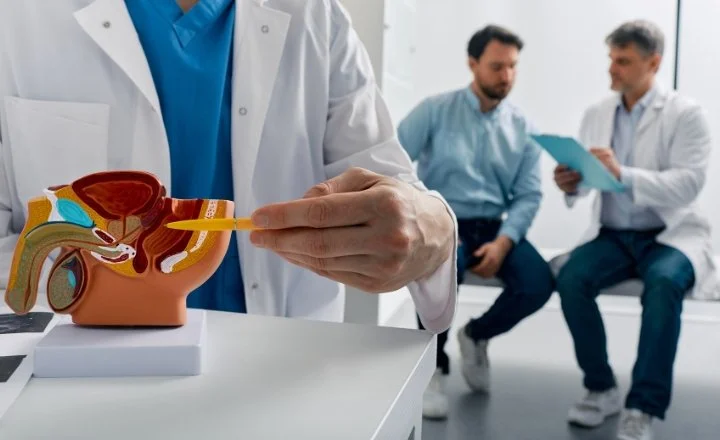
When it comes to treating Benign Prostatic Hyperplasia (BPH), today’s patients have more options than ever before. Procedures like UroLift and Aquablation have transformed how urologists manage enlarged prostate symptoms, offering minimally invasive solutions that help patients return to normal life faster.
But while clinical innovation has moved forward, one challenge remains stubbornly familiar for many practices: prior authorization.
A procedure can be medically appropriate, recommended by the physician, and desired by the patient—yet still face delays if payer requirements are not met.
For urology practices, understanding how to navigate UroLift prior authorization and Aquablation prior authorization is essential not only for reimbursement but also for maintaining patient satisfaction and protecting revenue.
“The fastest way to get an approval is to submit a complete and compelling clinical story the first time.”
Let’s explore the strategies that can help practices improve authorization success while reducing denials and administrative headaches.
Why UroLift and Aquablation Are Changing the Future of BPH Treatment
The demand for minimally invasive BPH treatments continues to grow as patients seek effective symptom relief without the lengthy recovery associated with traditional surgery.
UroLift works by lifting and holding enlarged prostate tissue away from the urethra, improving urinary flow without cutting or removing tissue.
Aquablation, on the other hand, uses robotic-assisted technology and a high-pressure waterjet to remove obstructive prostate tissue with remarkable precision.
Both procedures offer significant advantages, including:
✔ Reduced recovery time
✔ Improved quality of life
✔ Lower risk of certain complications
✔ Minimally invasive treatment options
✔ Effective symptom management
Because these treatments involve advanced technology and specialized clinical criteria, insurance carriers often apply detailed review processes before granting approval.
UroLift vs. Aquablation: Understanding the Key Differences
While both UroLift and Aquablation are effective treatments for Benign Prostatic Hyperplasia (BPH), they differ in technique, patient eligibility, recovery, and insurance considerations. Understanding these differences can help providers better document medical necessity and support prior authorization requests.
The Prior Authorization Challenge Most Urology Practices Face
Prior authorization has become one of the most time-consuming aspects of healthcare administration.
While insurers use it to ensure medical necessity, providers often encounter inconsistent requirements, varying documentation standards, and lengthy review timelines.
For UroLift and Aquablation procedures, authorization delays can affect:
Procedure scheduling
Patient satisfaction
Staff productivity
Revenue cycle performance
Cash flow management
Many denials are not related to the procedure itself.
Instead, they stem from incomplete submissions, missing records, or insufficient documentation supporting medical necessity.
Key Takeaway
“Most authorization denials are preventable when practices understand exactly what payers want to see.”
What Insurance Companies Look for Before Approving UroLift
Insurance carriers typically require evidence that the patient’s symptoms justify procedural intervention.
Simply documenting a diagnosis of BPH may not be enough.
Most payers want confirmation that conservative treatments have been attempted before approving a UroLift procedure.
Common Requirements for UroLift Authorization
Practices should be prepared to provide:
Physician consultation notes
Symptom severity assessments
Medication history
Documentation of failed conservative treatment
Urinary flow measurements
Post-void residual studies
Relevant diagnostic findings
A thorough submission demonstrates that less invasive treatment options have already been considered and that the procedure is medically necessary.
Valuable Insight
The strongest authorization requests don’t just provide records—they connect the dots.
Insurance reviewers should easily understand:
The patient’s symptoms
Previous treatment efforts
Clinical findings
Why UroLift is the most appropriate next step
Why Aquablation Often Requires More Clinical Documentation
Aquablation is increasingly recognized as an effective treatment for larger prostates and complex BPH cases.
Because it utilizes advanced robotic technology, some insurers apply additional scrutiny during the review process.
This often means more documentation is required upfront.
Information Frequently Requested for Aquablation Approval
Prostate volume measurements
Imaging reports
Symptom scores
Physician treatment recommendations
Previous therapy outcomes
Diagnostic testing results
Submitting detailed documentation at the beginning can significantly reduce delays caused by requests for additional information.
“Insurance reviewers approve medical necessity—not technology.”
The clinical rationale remains the most important factor in securing authorization.
The Costly Prior Authorization Mistakes That Lead to Denials
Even experienced urology practices occasionally face denials due to avoidable errors.
Understanding common pitfalls can help improve approval rates.
Incomplete Documentation
Missing office notes, diagnostic reports, or treatment history are among the most common reasons for authorization delays.
Failure to Verify Payer Requirements
Every insurer has different coverage policies.
Assuming that one payer’s criteria apply universally can result in unnecessary denials.
Coding and Diagnosis Mismatches
Accurate coding is critical for authorization and reimbursement success.
Any discrepancy between procedure codes and diagnosis codes can trigger additional reviews.
Lack of Follow-Up
Authorization requests should never be submitted and forgotten.
Regular monitoring helps identify issues before they become scheduling or billing problems.
Quick Checklist
Before submitting an authorization request, confirm:
✔ Clinical records are complete
✔ Supporting diagnostic tests are included
✔ Medical necessity is clearly documented
✔ Coding has been reviewed
✔ Payer-specific requirements have been verified
How Strong Documentation Improves UroLift and Aquablation Approval Rates
Documentation is often the deciding factor between an approval and a denial.
Think of authorization reviewers as individuals who have never met the patient.
Everything they know comes from the submitted records.
Strong Documentation Should Explain
How symptoms affect daily life
Previous treatment attempts
Clinical findings supporting intervention
Expected benefits of treatment
Why the selected procedure is medically appropriate
Example of Weak Documentation
“Patient continues to have urinary symptoms.”
Example of Strong Documentation
“Patient experiences frequent nocturia, urgency, weak urinary stream, and incomplete bladder emptying despite prolonged medication therapy, significantly impacting daily activities and sleep quality.”
The second example provides a much stronger case for medical necessity.
“Specificity strengthens approvals.”
If you are interested to read more about Urology Billing, take a look at this blog on ‘‘Aquablation After UroLift: Safety, Feasibility, and Patient Outcomes’’
Building a Prior Authorization Workflow That Saves Time and Revenue
Successful practices rarely rely on manual processes alone.
Instead, they develop structured workflows that reduce errors and improve efficiency.
Step 1: Verify Benefits Early
Confirm:
Insurance eligibility
Coverage status
Authorization requirements
Referral needs
Step 2: Gather Documentation Before Submission
Avoid submitting partial requests whenever possible.
Complete records lead to faster reviews.
Step 3: Standardize Submission Processes
Create checklists for:
UroLift authorization requests
Aquablation authorization requests
Appeals documentation
Standardization reduces variability and improves consistency.
Step 4: Track Every Request
Authorization tracking should include:
Submission dates
Pending reviews
Additional documentation requests
Expiration dates
Valuable Point
Practices that actively monitor authorization requests often experience shorter turnaround times than those waiting passively for payer responses.
Learn how to track & report prior authorization success rates to identify bottlenecks and improve approval outcomes.
What to Do When a UroLift or Aquablation Authorization Is Denied
Receiving a denial can be frustrating, but it doesn’t always mean coverage is unavailable.
Many denials are overturned after additional documentation is provided.
Effective Appeal Strategies
Review denial reasons carefully
Identify missing information
Submit supporting records
Provide a physician letter of medical necessity
Request peer-to-peer reviews when appropriate
Remember
“A denial is often a request for more information—not necessarily a final decision.”
Having a structured appeal process can help recover revenue that might otherwise be lost.
How Prior Authorization Impacts Urology Revenue Cycle Performance
Many practices view prior authorization as a front-office responsibility.
In reality, it affects every stage of the revenue cycle.
Poor authorization management can lead to:
📉 Delayed reimbursements
📉 Increased claim denials
📉 Additional administrative costs
📉 Slower cash flow
Conversely, strong authorization workflows contribute to:
📈 Faster payments
📈 Higher clean claim rates
📈 Reduced rework
📈 Better financial performance
📈 Improved patient experiences
Key Point
Authorization success requires collaboration between:
Physicians
Clinical teams
Billing specialists
Coders
Revenue cycle managers
When everyone works together, approval rates improve significantly.
A Practical Checklist Before Submitting Any Authorization Request
Use this checklist before submitting UroLift or Aquablation requests:
✔ Insurance eligibility verified
✔ Authorization requirements confirmed
✔ Clinical documentation complete
✔ Diagnostic testing included
✔ Failed conservative treatment documented
✔ Coding accuracy reviewed
✔ Submission checklist completed
✔ Follow-up schedule established
✔ Appeal plan prepared if needed
Key Takeaways for Improving UroLift and Aquablation Reimbursement Success
As minimally invasive BPH procedures continue to gain popularity, authorization management becomes increasingly important.
Practices that focus on preparation, documentation, and payer-specific requirements consistently achieve better results.
Remember These Best Practices
✔ Verify benefits early
✔ Understand payer-specific guidelines
✔ Submit complete documentation
✔ Maintain coding accuracy
✔ Track authorization requests proactively
✔ Develop a structured appeals process
✔ Integrate authorization management into revenue cycle operations
Implementing effective prior authorization best practices can help reduce delays, improve approval rates, and streamline revenue cycle operations.
“Clinical excellence gets patients the treatment they need. Operational excellence helps ensure practices get paid for providing it.”
By implementing these best practices for UroLift prior authorization, Aquablation prior authorization, urology medical billing, and revenue cycle management, practices can reduce denials, accelerate approvals, and create a better experience for both patients and staff.
The result is a stronger, more efficient urology practice that can focus on delivering exceptional patient care while protecting long-term financial health.Aquablation After UroLift: Safety, Feasibility, and Patient Outcomes
Need Help with UroLift & Aquablation Prior Authorization?
MBW RCM helps urology practices reduce denials, improve approval rates, and streamline prior authorization workflows for UroLift and Aquablation procedures.
Contact us today for a free consultation and discover how we can help strengthen your reimbursement outcomes.